Myths About Solar Energy: What You Need to Know Before Installing Solar Panels in Panama
Solar energy has gained popularity worldwide as a sustainable solution to reduce energy costs and lessen dependence on traditional electrical grids. In Panama—where electricity is expensive and grid interruptions are not uncommon—solar systems offer an attractive alternative for both homes and businesses. However, despite its benefits, many people still hesitate due to several common myths surrounding solar energy.
Some of these misconceptions lead people to believe that solar energy is expensive, difficult to maintain, or only viable under certain weather conditions. It’s understandable that these myths create confusion, especially when considering a long-term investment. That’s why this article aims to debunk some of the most widespread myths about solar energy, providing clear, fact-based information to help homeowners make informed decisions.
If you’ve been considering installing a solar system but feel uncertain because of what you’ve heard, this article is for you. We’ll explore how solar panels actually work, what costs you can expect, and why Panama—with its abundant sunlight—is an ideal place to take advantage of this technology.
Myth 1: Solar panels don’t work well in cloudy or rainy weather

Reality: Many people believe solar panels are only effective in sunny climates, but this is a myth. Solar panels work with daylight, not necessarily direct sunlight. Although cloudy or rainy days can reduce efficiency, panels still generate electricity as long as there is light.
In fact, in many countries with temperate or rainy climates—such as Germany or the United Kingdom—solar energy remains a reliable and profitable source of electricity.
In Panama, even with periods of heavy rainfall, solar panels are still an efficient option. Modern technology has improved the ability of panels to capture light under low-irradiance conditions. Clouds can also diffuse sunlight, allowing it to reach the panel from different angles, which can result in more uniform energy production throughout the day.
The key to maximizing efficiency in cloudy climates is proper installation and orientation. An experienced installer can optimize the angle and placement of panels to make the most of available light, even in less-than-ideal conditions.
Myth 2: Solar panels are too expensive and you’ll never recover your investment
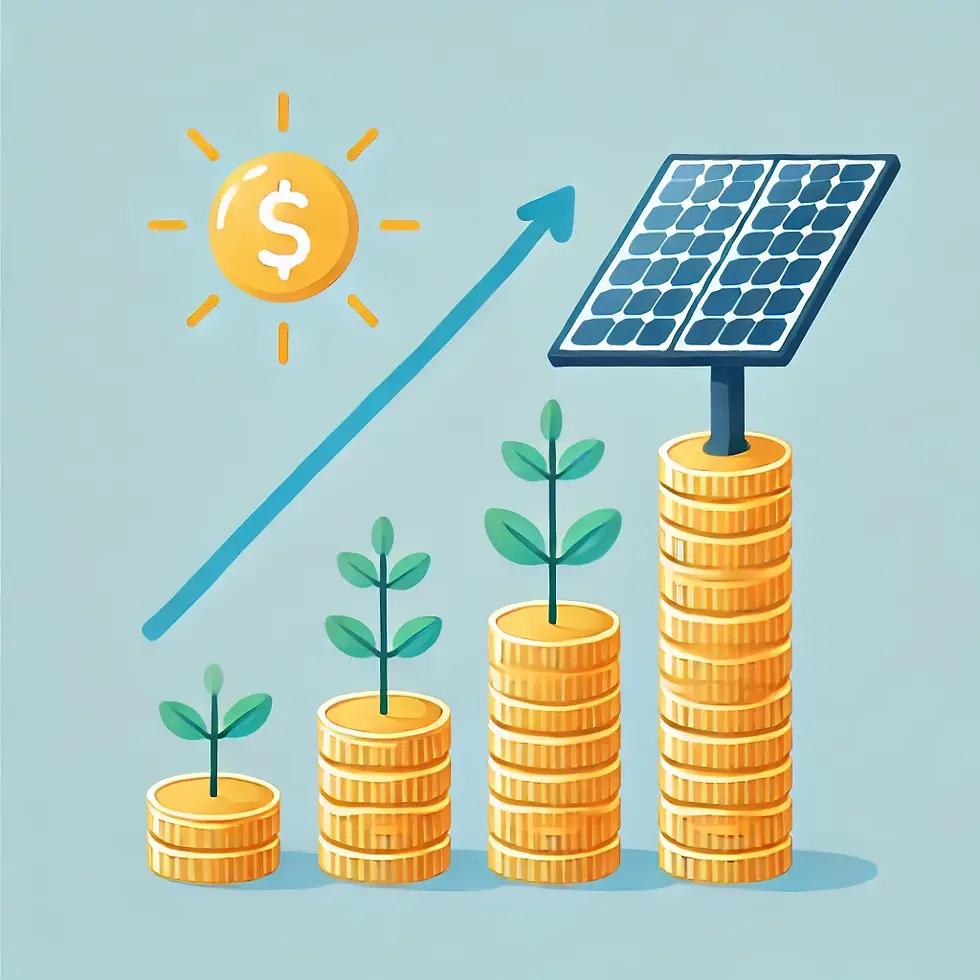
Reality: Although the initial cost of installing a solar system may seem high, the investment pays off faster than many people think. In recent years, the price of solar panels has dropped significantly, and technological advances have made systems more accessible and efficient.
Electricity costs in many countries—including Panama—are high enough that savings on electricity bills quickly offset the initial investment.
Studies show that a well-designed solar system can begin generating savings from day one, and in many cases, the return on investment can be achieved in just 5 to 7 years. This varies depending on system size, energy consumption, and local electricity prices.
In Panama, where electricity can be expensive and the grid is not always reliable, a solar system not only offers long-term savings but also provides energy independence and stability.
Solar systems have a lifespan of 25 years or more, meaning that after recovering the investment, homeowners continue generating free electricity for decades.
Rather than seeing the upfront cost as an immediate expense, it should be viewed as a smart investment that reduces electricity bills, increases property value, and benefits the environment.
Myth 3: Solar energy is only useful in completely off-grid areas
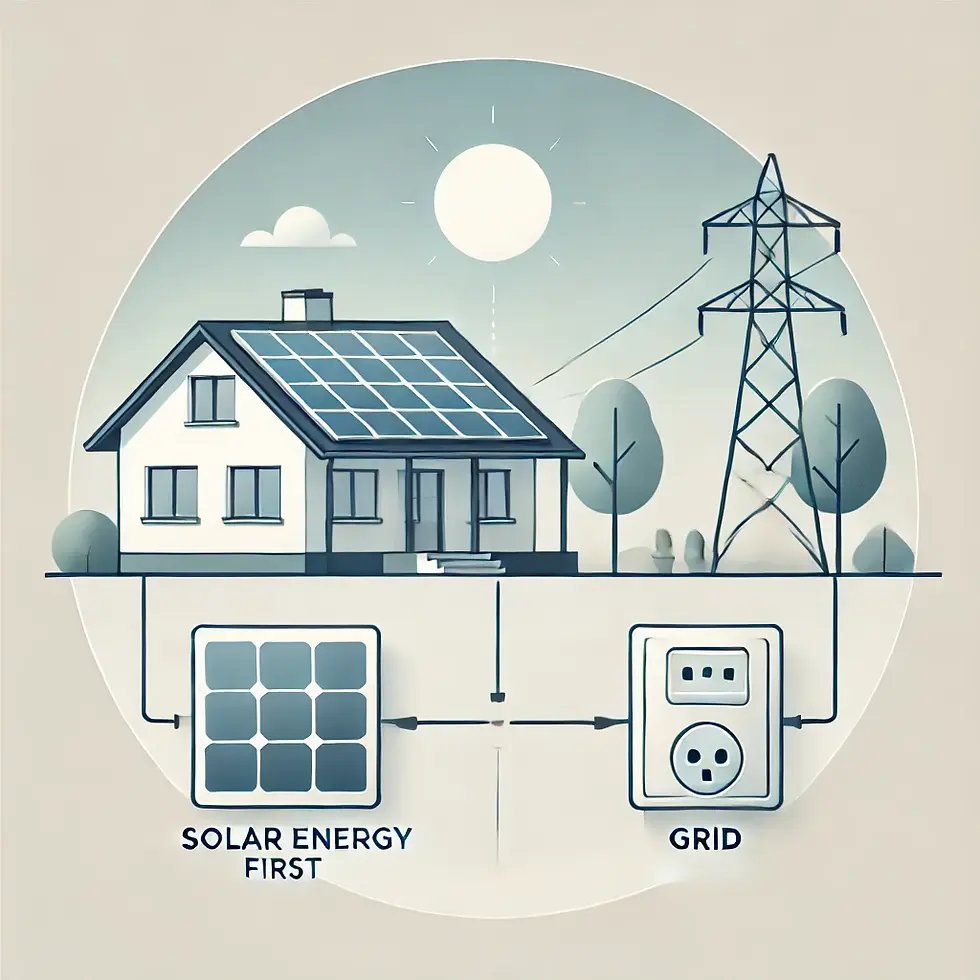
Reality: While solar systems are ideal for remote or off-grid areas, they also offer enormous benefits in places with grid access. Many people believe solar only makes sense if you live far from the grid, but this couldn’t be further from the truth.
In places like Panama—where the grid can be unreliable or electricity prices are high—solar systems provide an excellent option to reduce grid dependence and save money long-term.
Grid-connected solar systems (also known as hybrid systems) allow homeowners to use solar energy first and rely on the grid only when solar production is insufficient (such as at night or on very cloudy days). This ensures a constant energy supply, combining the best of both worlds.
In some cases, excess solar energy can be injected into the grid, generating credits or payments depending on local regulations.
Solar energy is not just for those completely disconnected from the grid—it’s a powerful tool for anyone looking to reduce dependence on conventional electricity, improve supply stability, and save on energy costs while helping the environment.
Myth 4: Solar panels require a lot of maintenance
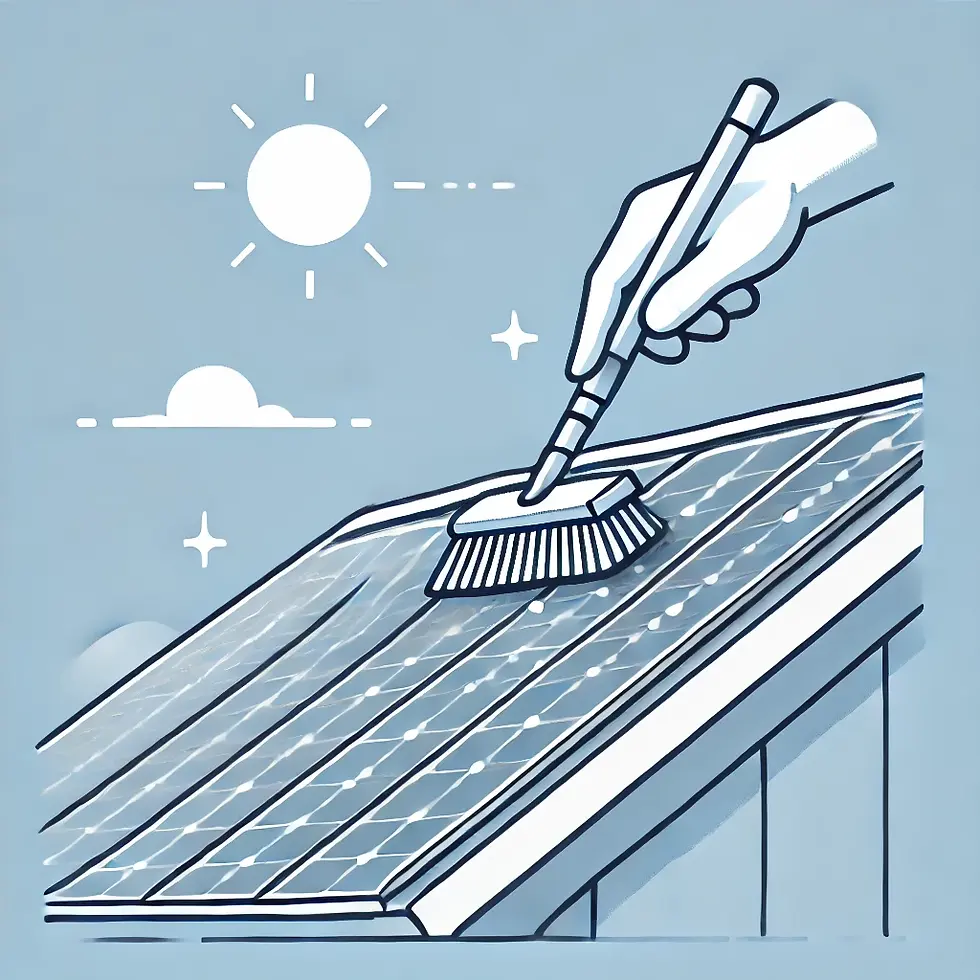
Reality: Many people think solar panels require constant maintenance, but in reality, they are very easy to maintain. As static devices with no moving parts, their main job is simply to receive sunlight and convert it into electricity.
Modern solar technology has made systems extremely reliable and robust, capable of withstanding diverse weather conditions.
Typical maintenance involves keeping panels clean and free of debris—such as dust, leaves, or bird droppings—that could block sunlight and reduce efficiency. In most cases, a simple rinse with water a few times a year is enough. In rainy regions like Panama, the rain often cleans the panels naturally.
Solar panels are designed to last 25 to 30 years or more, maintaining high efficiency with minimal intervention. Manufacturers’ warranties often cover potential failures for 20–25 years, providing additional peace of mind.
The inverter—the only part that may require more attention—has a lifespan of about 10 to 15 years and can be easily replaced when needed.
Many solar installation companies offer preventive maintenance services for those who prefer a proactive approach. However, in most cases, required maintenance is minimal, making solar panels a low-maintenance renewable energy option ideal for both homes and businesses.
Conclusion
Solar energy is an increasingly viable option, offering energy independence, long-term savings, and a sustainable solution to grid-related challenges. Despite persistent myths about its effectiveness, cost, and maintenance, technological advances have made solar energy a reliable and profitable alternative—even in cloudy or rainy climates.
It’s important for homeowners and businesses to stay informed and not be misled by misconceptions that could prevent them from benefiting from solar energy. Whether you live in a rural area with limited grid access or in a city with high energy costs, solar energy can adapt to a wide variety of scenarios, providing flexibility and security.
With minimal maintenance requirements and the ability to integrate with the electrical grid, users can enjoy the best of both worlds: renewable energy and reliability. In Panama—where grid stability is not always guaranteed and electricity costs are high—investing in solar energy is a strategic and environmentally responsible decision that benefits both the user and the planet.


Comments